Mudchute flat deep cleaning insider tips for Docklands residents
If you live in Mudchute or anywhere in Docklands, you already know that flat cleaning can feel oddly seasonal. One week everything looks fine, then the kitchen grease builds up, the bathroom limescale returns, and the windows show every bit of river-side grime and city dust. That is exactly where Mudchute flat deep cleaning insider tips for Docklands residents become useful: not as a vague "clean more often" message, but as a practical way to reset your home properly, save time, and avoid the usual missed spots.
This guide is written for real flats, real routines, and real London living. You will find what deep cleaning actually means, how to approach it room by room, when it makes sense to book help, and the small details that make the biggest difference. There is no magic trick here, to be fair. But there are smart habits, and they add up fast.
Expert summary: focus first on the high-touch, high-grease, and high-moisture areas; clean top to bottom; use the right tools for the surface; and never leave the final checks to memory alone. That last part matters more than people think.
- Best for: Mudchute flats, Docklands apartments, and busy homes that need a proper reset
- Main goal: Remove built-up dirt, dust, grease, and hidden grime, not just tidy visible surfaces
- Most overlooked areas: behind appliances, skirting boards, extractor fans, tracks, grout, and upholstery
Table of Contents
- Why this matters for Mudchute and Docklands flats
- How a flat deep clean works in practice
- Key benefits and practical advantages
- Who needs it and when it makes sense
- Step-by-step guidance
- Expert tips for better results
- Common mistakes to avoid
- Tools, resources and recommendations
- Law, compliance, standards and best practice
- Options, methods and comparison table
- Real-world example
- Practical checklist
- Conclusion
- Frequently asked questions
Why Mudchute flat deep cleaning insider tips for Docklands residents Matters
Docklands flats tend to gather dirt in a slightly different way from suburban homes. Windows collect a fine film faster, bathrooms show water marks more quickly, and kitchens often get tightly used because compact layouts make cooking smells and grease linger. If you are near Mudchute, you may also notice that shoes, delivery traffic, and shared access areas bring more dust indoors than you would expect. Nothing dramatic. Just enough to make a regular tidy-up feel incomplete.
That is why deep cleaning is not just about looking presentable. It is about resetting the flat's hidden hygiene level. A proper deep clean tackles the places you do not clean every week: around taps, under furniture, inside cupboards, along the edge of floors, and on soft furnishings that quietly trap odours. Once you have lived with the same flat for a while, you stop noticing certain build-ups. Then a guest comes round and spots them in two seconds. Annoying, but true.
For Docklands residents, timing matters too. A deep clean can help before a tenancy change, after a busy work period, before hosting family, or when the flat simply feels stale. It is especially useful if you have limited time and want one concentrated effort rather than endless little cleaning sessions that never really finish. Let's face it, most people do not want a cleaning project that drags across three weekends.
How Mudchute flat deep cleaning insider tips for Docklands residents Works
At its simplest, a flat deep clean is a structured clean that goes beyond day-to-day maintenance. The best way to think about it is this: regular cleaning keeps things acceptable, while deep cleaning brings neglected areas back under control. You are not just wiping surfaces; you are stripping away layers of dust, grease, soap residue, and grime that have settled over time.
In practice, the process usually starts with decluttering, then moves room by room. That matters because cleaning around objects is slower and less effective. A kitchen, for example, cannot be properly cleaned if the sink is full, the hob has pans on it, and the sideboard is covered in unopened post. Likewise, a bathroom deep clean works best when products, bottles, and spare towels are moved out of the way first.
If you are doing it yourself, the rhythm should be top to bottom and dry to wet where possible. Dust the higher shelves and light fittings first, then work down to surfaces, then floors. In wet areas, start with descaling, then scrub, then rinse, then dry. That final dry step is small but powerful. It stops water spots coming straight back and makes the place feel finished rather than half-done.
Professional cleaners often work from a room checklist and bring specialist products for ovens, descaling, limescale removal, carpet treatment, and upholstery care. If you want a broader service overview, the site's deep cleaning service gives a useful starting point, while domestic cleaning and house cleaning can be helpful if you want regular upkeep around the deeper resets.
Key Benefits and Practical Advantages
A good deep clean pays off in ways that are more noticeable than people expect. The obvious benefit is appearance, sure. But the bigger gains are usually comfort, easier maintenance, and a clearer sense that your home is under control again.
- Better air feel: Dust, pet hair, and fabric particles reduce the "stuffy flat" feeling.
- Less stubborn grime: Once grease and limescale are removed properly, normal cleaning becomes easier for weeks afterwards.
- Improved presentation: Useful before guests, photos, inspections, or move-outs.
- Lower stress: A properly cleaned home feels simpler to live in. That sounds fluffy, but it is real.
- Longer-lasting surfaces: Regular removal of residue helps tiles, taps, seals, and appliances stay in better shape.
There is also a practical side that many Docklands residents appreciate: compact flats can feel cluttered quickly, so a deep clean often makes the whole space seem bigger. Clean glass, polished mirrors, and dust-free corners create a sharper visual line. Even a small studio can feel calmer after a proper reset. You notice it at 7 a.m. when the light comes through the window, and the place just looks lighter.
If you are comparing service types, a one-off deep clean may suit a flat that has drifted away from its normal standard, while one-off cleaning can be useful when you want a single concentrated visit without booking a recurring schedule. If carpets are part of the issue too, consider carpet cleaning alongside the main clean.
Who This Is For and When It Makes Sense
This kind of cleaning is for anyone living in a flat who has reached that point where wiping the counters no longer feels like enough. In Mudchute and wider Docklands, that includes a lot of people: busy professionals, renters, landlords, hosts, and residents who simply want the flat to feel fresh again.
It makes especially good sense in these situations:
- you have not had a proper deep clean in a while
- you are preparing for an end of tenancy inspection
- you are moving into a new flat and want a clean reset
- you are moving out and want the place ready for handover
- the kitchen or bathroom has built-up residue you cannot shift easily
- you are hosting visitors and do not want last-minute panic cleaning
- your flat has soft furnishings, rugs, or upholstery that need extra attention
For moving situations, it is worth looking at move in cleaning and move out cleaning. For tenancy handovers, end of tenancy cleaning is the more specific fit. And if you are trying to keep the flat consistently manageable rather than waiting for things to build up, regular cleaning can make a deep clean much easier next time around.
Truth be told, there is no perfect rule for how often a flat needs deep cleaning. It depends on lifestyle, cooking habits, whether you have pets, and how much natural dust the property collects. But if you find yourself saying "I should really get to that cupboard" more than once a month, the answer is probably already in front of you.
Step-by-Step Guidance
Here is a sensible way to tackle a Mudchute flat without wasting effort. Keep it simple and structured. The method matters more than speed, even if you are keen to get it done before the kettle boils for the third time.
- Start with a quick reset. Remove litter, loose items, dishes, laundry, and anything that does not belong in the room.
- Open windows where safe. Fresh air helps dry surfaces and makes the place feel less heavy while you work.
- Dust from top to bottom. Begin with shelves, tops of cabinets, curtain poles, and light fixtures.
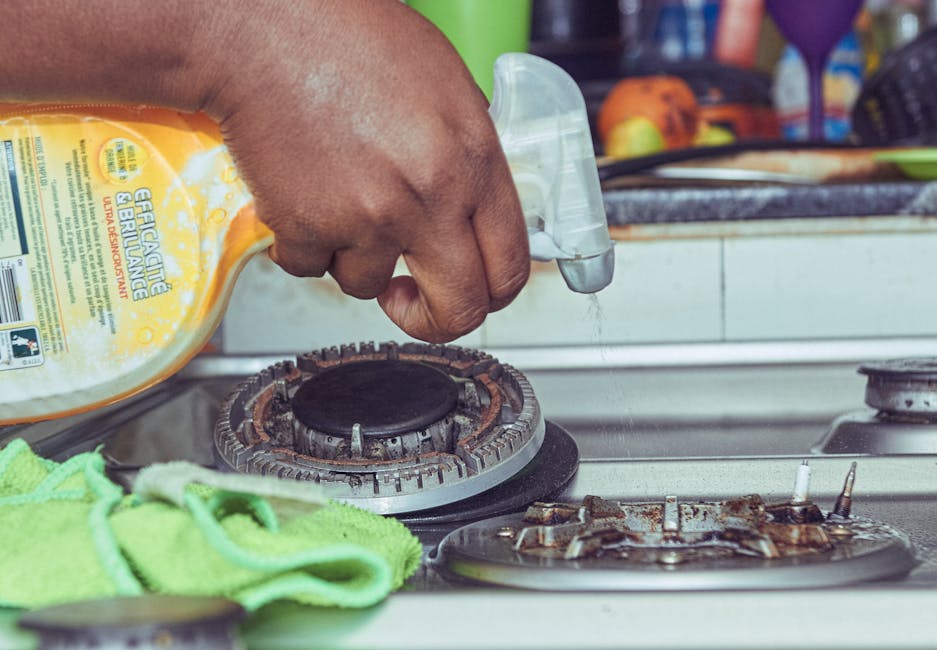
- Move into the kitchen. Degrease hob areas, wipe splash zones, clean handles, descale the sink, and check around appliance edges.
- Deal with the bathroom carefully. Focus on taps, shower screens, grout, toilet bases, extractor covers, and any mould-prone corners.
- Clean sleeping and living areas. Wipe skirting boards, clean under beds or sofas if accessible, and freshen soft furnishings.
- Finish with floors. Vacuum thoroughly, then mop hard floors or treat carpets where needed.
- Do a slow final pass. Look for streaks, missed corners, fingerprints, and anything that catches the light in a bad way.
A useful habit is to clean one zone completely before moving to the next. Half-cleaned rooms make people feel like they are doing more work than they are actually finishing. And finishing matters. A lot.
If you want a particularly polished result on glass and frames, it may help to combine your main clean with window cleaning. For upholstered chairs, beds, or lounge furniture that hold odours, upholstery cleaning or sofa cleaning can be a smart addition. A mattress is often missed too, so if sleep quality and freshness matter, mattress cleaning is worth considering.
Expert Tips for Better Results
The best insider tips are often boring in the nicest possible way. They are about process, patience, and knowing where dirt likes to hide. A few small adjustments can make a flat deep clean feel much more professional.
- Use two cloths in wet areas: one for cleaning, one for drying. It saves time and improves the finish.
- Let products sit briefly: a few minutes of dwell time often beats aggressive scrubbing.
- Check under appliance handles: fingerprints collect there constantly and somehow nobody notices until later.
- Clean edges, not just centres: skirting boards, door frames, and cabinet lips hold dust and make a room look tired if ignored.
- Work on lighting: clean lampshades and fixtures first if the flat feels dull; it changes the mood more than people expect.
- Vacuum soft furnishings slowly: a rushed pass misses embedded debris and crumbs.
One of the best Mudchute flat deep cleaning insider tips for Docklands residents is to match your cleaning method to the surface. Don't use the same approach everywhere. A microfiber cloth and mild solution are fine for many surfaces, but limescale, grease, fabric grime, and oven residue all behave differently. The wrong tool just smears the problem around. Not ideal.
If your flat has communal touchpoints or shared entrances, it can also help to think beyond the flat itself. For building-wide areas, communal area cleaning may be relevant, especially where dirt appears to come back quickly from foot traffic. And if you are dealing with post-renovation dust rather than normal living dirt, after builders cleaning is a more suitable route.
Common Mistakes to Avoid
People usually do not fail at deep cleaning because they are lazy. They fail because they start in the wrong place, use the wrong tools, or try to do too much at once. Very human, really.
- Cleaning without decluttering first: you end up moving objects around three times.
- Using too much product: residue attracts more dirt and leaves streaks.
- Skipping drying: especially on chrome, glass, and tiles.
- Ignoring ventilation: bathrooms and kitchens need airflow after cleaning.
- Forgetting hidden surfaces: behind taps, beneath sinks, around bins, and under furniture.
- Trying to deep clean in random bursts: it usually becomes messy again before you finish.
Another common mistake is to focus on what looks dramatic and ignore what actually matters. Yes, oven fronts and shower screens get attention. But the nastier build-up often lives on skirting boards, extractor grilles, remote controls, and the edge of the sink. Those quieter areas shape the real feel of the flat.
If you are booking a service, ask what is included and what is not. That sounds obvious, but the details matter. For example, deep cleaning may not automatically include specialist carpet or mattress treatment, and sometimes those jobs need separate booking. Good to know before the day arrives.
Tools, Resources and Recommendations
You do not need a van full of equipment to deep clean a flat well. A focused kit often works better than a pile of random bottles under the sink. Keep your setup simple and dependable.
| Tool or product | Best for | Why it helps |
|---|---|---|
| Microfiber cloths | Most surfaces, glass, taps | Lift dust and polish without leaving much lint |
| Vacuum with attachments | Edges, upholstery, skirting boards | Reaches corners and soft furnishings more effectively |
| Non-scratch scrub pad | Sinks, hobs, tiles | Helps remove stubborn marks without damaging finish |
| Descaler or limescale remover | Bathroom and kitchen fittings | Useful in areas with hard water residue |
| Neutral floor cleaner | Hard floors | Keeps surfaces clean without creating sticky residue |
| Small detailing brush | Grout, tracks, taps, corners | Good for tight spots where dirt hides |
For residents who would rather leave the heavy lifting to someone else, comparing service pages can help clarify what is most relevant. Oven cleaning can handle baked-on grease that regular products struggle with, while carpet cleaning is useful when flooring needs a deeper refresh than vacuuming alone can provide. If you need support with furnishing care, the rug cleaning and upholstery cleaning options are worth a look too.
Good service also depends on trust. If you are comparing providers, it is sensible to check the company's about us information, their insurance and safety approach, and how they handle pricing and quotes. Those pages do not clean the flat for you, obviously, but they do help you judge whether the service is organised and clear.
Law, Compliance, Standards and Best Practice
For most residents, the main compliance concern is straightforward: if you are renting, you want the flat returned in the condition required by your tenancy agreement, allowing for fair wear and tear. If you are a homeowner, the focus is less about formal requirements and more about safe, sensible cleaning practices. Either way, it pays to use products and methods responsibly.
In the UK, good cleaning practice usually means following product instructions, ventilating rooms, avoiding unsafe mixing of chemicals, and protecting delicate surfaces. It also means being careful around electrics, sealed finishes, stone surfaces, and wood that can be damaged by excess moisture. If a product says it is not suitable for a material, believe it. The label is not there for decoration.
For professional services, look for clear safety information, transparent terms, and an approach that respects household security and privacy. Pages like health and safety policy, payment and security, privacy policy, and terms and conditions are useful because they show how the business handles practical concerns rather than just selling the service.
If sustainability matters to you, it is also sensible to choose cleaning habits that avoid waste. A measured amount of product, reusable cloths, and proper sorting of waste all help. You can also review the company's stance on recycling and sustainability if that is important in your decision.
Options, Methods and Comparison Table
Not every flat needs the same level of intervention. Sometimes a focused DIY reset is enough. Sometimes you need a one-off service. And sometimes a fully detailed deep clean is the best use of your time and energy.
| Approach | Best for | Pros | Trade-offs |
|---|---|---|---|
| DIY deep clean | Smaller resets, budget-conscious clean-ups | Flexible, low cost, immediate | Takes time, easy to miss detail areas |
| One-off professional clean | Busy households, post-travel, seasonal refresh | Efficient, thorough, less stress | Needs scheduling, may not cover specialist extras |
| End of tenancy clean | Move-outs, inspections, handovers | Focused on landlord-ready presentation | More specific and often more detailed |
| Regular cleaning plus periodic deep cleans | Long-term upkeep | Prevents build-up, easier maintenance | Requires consistency |
For hosts or short-term lets, Airbnb cleaning can be a good fit because turnaround speed and presentation matter. If you are just looking for a single reset rather than a repeat schedule, one-off cleaning may be the most straightforward choice. There is no one correct answer here. The right method depends on how the flat is used, how often it gets messy, and how much of the work you want to carry yourself.
Case Study or Real-World Example
Picture a typical Mudchute flat after a busy few months. The resident works long hours, cooks most nights, and keeps promising themselves they will "sort the cupboard properly at the weekend." The bathroom has a bit of limescale around the tap, the hob has a faint greasy halo, and the sofa has started holding that stale, lived-in smell that only becomes obvious once the windows are open in the morning.
Instead of trying to tackle everything in one frantic evening, they break the job into parts. First, they clear surfaces and bag the obvious clutter. Then they deep clean the kitchen one morning, the bathroom the next, and finish with the living area and floors on the weekend. They also book a professional refresh for the most stubborn spots: the oven, the carpet in the main room, and the sofa. By the end, the flat does not just look tidier. It feels easier to breathe in.
That is the real point. A deep clean is not about making the flat look like a showroom for five minutes. It is about restoring the home so ordinary life feels lighter afterwards. Small win, big relief.
Practical Checklist
Use this as your final pass before you call the job done.
- Declutter all main surfaces and floors
- Dust high-to-low, including shelves and light fittings
- Clean kitchen splash zones, handles, and appliance edges
- Degrease the hob and check the oven area
- Descale taps, shower screens, and bathroom fixtures
- Scrub grout, seals, and corners where moisture gathers
- Vacuum under furniture and along skirting boards
- Wipe door frames, switches, and remote controls
- Clean mirrors, glass, and internal window surfaces
- Freshen soft furnishings if they hold odour or dust
- Dry wet surfaces properly to reduce streaks and marks
- Do one slow final walk-through in good light
If you are planning a more complete refresh, you may also want to look at oven cleaning, window cleaning, or house cleaning depending on which parts of the flat need the most attention. The trick is not to overcomplicate it. Pick the jobs that will make the biggest visual and practical difference first.
Conclusion
Mudchute flat deep cleaning insider tips for Docklands residents are really about doing the right things in the right order. Focus on hidden grime, match your method to the surface, and do not leave the final detailing to chance. Whether you are cleaning for comfort, a move, guests, or just a much-needed reset, a structured approach saves time and gives better results.
In Docklands, where flats often work hard and space is precious, a deep clean can change the feel of a home more than you might expect. The room looks sharper. The air feels fresher. The whole place stops asking for your attention every time you walk past the kitchen.
Get a free quote today and see how much you can save.
And if you are ready to take the pressure off, choose the option that fits your flat, your schedule, and your standards. A cleaner home is a calmer one, honestly. You will feel it the moment you close the door behind you.
Frequently Asked Questions
What makes a flat deep clean different from normal cleaning?
A normal clean keeps visible surfaces tidy, while a deep clean targets built-up dirt, limescale, grease, hidden dust, and overlooked spots like skirting boards, tracks, and behind appliances.
How often should Mudchute flats be deep cleaned?
It depends on how the flat is used. Busy kitchens, pets, shared access, and frequent guests can all mean you need it more often. Many residents book a deep clean when the home starts to feel stale or before a major change like moving.
Can I deep clean a Docklands flat myself?
Yes, if you have the time and a sensible plan. The key is to work room by room, use suitable products, and not forget detail areas. Bigger jobs or heavily used flats often benefit from professional help.
What are the hardest areas to clean in a flat?
The usual trouble spots are ovens, bathrooms, grouting, extractor fans, soft furnishings, and the edges around furniture and appliances. They are easy to miss and hard to restore if dirt has built up for months.
Is deep cleaning worth it before moving out?
Usually yes. It helps the flat look properly cared for and gives you a better chance of meeting tenancy expectations. For move-related jobs, end of tenancy cleaning is often the more suitable choice.
Do I need carpet or upholstery cleaning as well?
If flooring or furniture holds odour, stains, or visible wear, then yes, it can make a big difference. A flat can look clean on surfaces but still feel tired if carpets or sofas are neglected.
How long does a proper flat deep clean take?
That depends on size, condition, and whether it is a DIY clean or a professional service. A compact flat may be manageable in a day, but heavily used spaces or move-out cleans can take longer.
What should I ask before booking a cleaning service?
Ask what is included, what costs extra, whether they handle specialist tasks, and how they approach safety, insurance, and payment. Clear answers matter more than polished sales talk.
Are professional cleaners useful for one-off jobs only?
Not at all. They can help with one-off refreshes, move-ins, move-outs, recurring upkeep, and specific jobs like ovens, carpets, mattresses, or upholstery. The right service depends on your situation.
Will deep cleaning help with odours in my flat?
Often yes, especially if the smell is coming from soft furnishings, kitchen residue, bins, or damp bathroom areas. Freshening the source usually works much better than just spraying fragrance on top.
How do I know whether I need a deep clean or regular cleaning?
If the flat mostly needs maintenance, regular cleaning is enough. If grime has built up, corners are neglected, and some areas need serious attention, deep cleaning is the better option.
Where can I learn more about the company and its service standards?
You can review useful pages such as about us, insurance and safety, and pricing and quotes to get a clearer sense of how the service is structured.