Oven Cleaning in Daily Life: A Practical, SEO-Friendly Approach to a Cleaner Kitchen
Oven cleaning is one of those household tasks people often delay, but it makes a huge difference to the way a kitchen looks, smells, and performs. Whether you cook every day or only on special occasions, a well-maintained oven helps food taste better, reduces smoke, and supports a more hygienic cooking environment. If you have been searching for reliable oven cleaning in a way that feels simple, effective, and realistic, this article breaks down what matters most and how to keep your appliance in great condition.
Many homeowners and tenants look for oven cleaning services or want to understand how to tackle the job themselves. The good news is that oven cleaning does not have to be overwhelming. With the right products, a clear routine, and some basic safety precautions, you can remove grease, burnt-on residue, and unpleasant odors without making the process harder than it needs to be.
From everyday maintenance to deep oven cleaning, there are several approaches that work well depending on how dirty the appliance is. In this article, you will learn why regular oven cleaning matters, what methods are most effective, how to avoid common mistakes, and when it may be smarter to book professional oven cleaning instead of doing it all yourself.
Why Oven Cleaning Matters for Every Kitchen
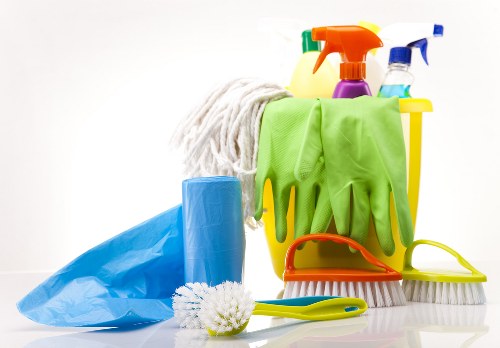
Clean ovens are not just about appearance. A dirty appliance can affect cooking performance, create smoke during baking, and leave food with an unpleasant aftertaste. Grease buildup on the oven floor, racks, and door glass can also become harder to remove the longer it sits. That is why oven cleaning should be treated as part of regular kitchen care rather than a once-in-a-blue-moon chore.
When you stay on top of oven cleaning, you help the appliance run more efficiently. Heat distributes more evenly in a clean cavity, which means better baking results and fewer surprises. Burnt food debris can also interfere with temperature accuracy and airflow, especially in fan-assisted models. For households that cook frequently, this can make a noticeable difference over time.
There is also an important hygiene element. Leftover food particles, grease, and carbonized residue can attract pests and create lingering odors. A thorough oven cleaning routine helps reduce those issues and keeps the kitchen feeling fresh. If you value a tidy cooking space, regular oven cleaning is one of the simplest ways to support it.
Signs Your Oven Needs Cleaning

Some ovens clearly show they need attention, while others quietly build up grime until the problem becomes obvious. One of the first signs is visible grease on the glass door or dark patches on the oven floor. If you open the oven and notice a burnt smell before you even start cooking, that is another clue that oven cleaning is overdue.
Smoke during normal use is a major warning sign. A small amount may happen when something spills, but frequent smoke means residue has built up and is burning each time the oven heats. Uneven cooking, discoloration on trays, and sticky rack surfaces are also strong indicators that the appliance needs a proper clean.
For many people, the easiest way to stay ahead of the problem is to watch for these early signals and act quickly. The sooner you begin oven cleaning, the easier the job becomes. Light maintenance now can prevent heavy scrubbing later, which is why consistency is so valuable.
How Often Should You Clean an Oven?

The best oven cleaning schedule depends on how often you cook and what kinds of meals you prepare. A household that roasts meats, bakes casseroles, or uses a lot of oils and sauces will usually need more frequent attention than one that uses the oven occasionally. As a general rule, wipe spills quickly and plan a deeper clean every few months.
For light users, a monthly wipe-down may be enough, combined with a more detailed oven cleaning session several times a year. Heavy use, on the other hand, often calls for weekly spot cleaning and a deeper clean every four to six weeks. If you notice smoke, strong odors, or visible buildup sooner, do not wait for the calendar to tell you when to act.
Consistency matters more than intensity. A little maintenance done regularly is usually easier and more effective than one long, exhausting cleaning session. That is one reason why many people prefer setting a simple routine instead of treating oven cleaning as an occasional emergency.
Popular Methods for Oven Cleaning
There are several ways to approach oven cleaning, and the best method depends on the amount of grime, the type of oven, and your personal preference. Some people like natural solutions, while others prefer strong commercial products designed for baked-on grease. Knowing the options helps you choose the safest and most effective route.
One of the most common approaches uses baking soda and vinegar. This method is popular because it is affordable, widely available, and less harsh than many chemical cleaners. You create a paste, spread it over greasy areas, and let it sit before wiping away loosened residue. While it may take time, it works well for moderate buildup.
Commercial oven cleaning products are another option. These are often designed to dissolve stubborn grease quickly and can save effort when the oven is heavily soiled. However, they should be used carefully, with proper ventilation and gloves. If you are sensitive to strong smells or prefer eco-friendlier solutions, this method may not be your first choice.
Natural Oven Cleaning Methods

Natural oven cleaning is attractive to many households because it feels gentler and can be safer around pets, children, and food-prep areas. Baking soda is especially useful because its mild abrasive texture helps lift residue without scratching many surfaces. When mixed with water, it forms a paste that can cling to grime and loosen it over several hours.
Vinegar is often used alongside baking soda because it helps break down residue and remove odors. Some people also use lemon juice for a fresh scent and extra degreasing power. These ingredients can be effective for ongoing maintenance and lighter buildup, though they may not remove the heaviest layers of charred grease in one go.
Natural methods work best when paired with patience. If you want oven cleaning that feels manageable and low-risk, this route is a strong choice. It may require more scrubbing than industrial-strength products, but many homeowners appreciate the control it offers and the reduced chance of damaging delicate surfaces.
What You May Need
- Baking soda
- White vinegar
- Water
- Soft cloths or microfiber towels
- Non-scratch sponge
- Rubber gloves
Using Store-Bought Cleaners Safely
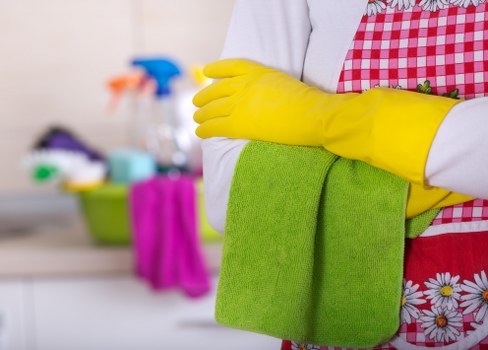
Store-bought products can make oven cleaning faster, especially when grease is baked onto the interior surfaces. Many of these cleaners are formulated to break down carbon deposits and sticky residue with minimal scrubbing. If you are short on time or facing a particularly dirty oven, they can be highly effective.
That said, safety should always come first. Read the label carefully, make sure the area is well ventilated, and wear protective gloves. Avoid mixing cleaning chemicals, and never use a product on a surface it is not designed for. Some ovens have special coatings or self-cleaning functions that require specific care, so always check the manufacturer’s instructions before applying any cleaner.
For homeowners who want the benefits of strong cleaning power without unnecessary risk, store-bought products can be a practical option. Used correctly, they can deliver excellent results and shorten the time needed for oven cleaning. Used carelessly, however, they can create fumes or damage sensitive parts.
Helpful Safety Reminders
- Open windows or switch on extractor fans
- Wear gloves and avoid skin contact
- Remove food and cookware first
- Test products on a small area if needed
- Follow all instructions exactly
Step-by-Step Oven Cleaning Routine
A structured routine makes oven cleaning less stressful. Before you begin, switch off the appliance and let it cool completely. Remove all racks, trays, and loose food particles. If your oven has a removable door panel or internal parts that can be washed separately, handle them according to the manufacturer’s instructions.
Next, choose your cleaning method. For a natural clean, apply baking soda paste to dirty areas and let it sit for several hours or overnight. For a commercial product, spray or apply it carefully and give it time to work. During this waiting period, you can clean the racks separately in warm soapy water or with a degreasing solution.
Once the cleaner has had time to loosen the grime, wipe the interior with a damp cloth or sponge. Use a plastic scraper or non-scratch pad if needed, especially on stubborn spots. Rinse thoroughly to remove any residue, then dry the inside before replacing the racks. A final inspection helps ensure your oven cleaning effort has fully paid off.
How to Clean Oven Racks, Trays, and Glass Doors
Oven cleaning should not stop at the main cavity. Racks and trays often collect just as much grease and can be the source of odors and smoke. Soak them in hot, soapy water, or use a sink, bathtub, or large basin if they are too big to fit elsewhere. After soaking, scrub with a non-abrasive sponge until residue lifts away.
Glass doors deserve special attention because they show every streak and splatter. A paste made from baking soda can help remove cloudy marks, while a vinegar solution can improve shine. Use a soft cloth and avoid harsh tools that might scratch the glass. Clean both the inside and outside for the best result.
Trays, wire shelves, and removable side supports should all be fully dry before going back into the oven. This prevents water spots and helps maintain a polished finish. When done properly, this part of oven cleaning makes the entire appliance look newer and more inviting.
Common Oven Cleaning Mistakes to Avoid
Even a simple task like oven cleaning can go wrong if you rush it. One common mistake is using steel wool or very abrasive scrubbers on surfaces that can scratch. This can damage the finish and make future cleaning harder because grime clings more easily to rough areas.
Another mistake is skipping ventilation. Whether you are using a homemade solution or a commercial product, fresh air matters. Strong fumes can irritate the eyes and lungs, and poor airflow can make the process unpleasant. It is also a mistake to ignore the manufacturer’s care instructions, especially for self-cleaning or enamel-coated ovens.
Finally, do not wipe too soon. Cleaning products need time to break down stubborn grease. If you rush, you may end up scrubbing harder than necessary. The best oven cleaning results usually come from patience, the right tools, and a sensible process.
Professional Oven Cleaning vs DIY Cleaning
There is a big difference between doing oven cleaning yourself and hiring a professional. DIY cleaning can be cost-effective and convenient, especially for lighter buildup. If you enjoy household tasks and have the right supplies, you may find it easy to manage with a regular routine.
Professional oven cleaning, however, can be worth considering when the appliance is heavily soiled, has hard-to-reach areas, or has not been cleaned in a long time. A trained cleaner may have stronger products, specialized tools, and the experience needed to tackle deep grime more efficiently. This can save time and deliver a more thorough finish.
The right choice depends on your needs. If you are comfortable handling the job, DIY may be enough. If the oven needs serious attention or you want a professional result without the effort, book your service now and let experts handle the dirty work.
Benefits of Regular Oven Cleaning for Households and Landlords
Regular oven cleaning offers practical benefits for both homeowners and renters. For households, it helps maintain better cooking performance, reduce kitchen odors, and keep surfaces looking clean. For busy families, this means less stress every time meal preparation begins. A clean oven can also make the whole kitchen feel more cared for.
For landlords and property managers, oven cleaning is an important part of preparing a property for new occupants. A spotless appliance creates a stronger impression and can improve the overall presentation of a rental home. It also helps demonstrate that the property has been maintained responsibly.
In both cases, consistent oven cleaning can support longer appliance life. When grease and carbon buildup are allowed to accumulate, they can contribute to wear over time. Keeping the oven clean is a small investment that can help protect a major kitchen appliance.
Eco-Friendly Tips for Better Oven Maintenance
Eco-conscious oven cleaning starts with prevention. Lining trays where appropriate, wiping spills quickly, and avoiding overflow during cooking can reduce the amount of residue that builds up. These small habits make a noticeable difference over time and reduce the need for harsh interventions.
Choose reusable cloths over disposable wipes when possible, and use measured amounts of cleaner rather than oversaturating surfaces. If you prefer natural cleaning, stick with ingredients like baking soda, vinegar, and lemon rather than overly aggressive products. Not only are these choices often gentler on the environment, but they can also be gentler in your home.
Simple maintenance habits often matter more than occasional deep scrubbing. By being more mindful while cooking and cleaning up afterward, you can keep oven cleaning manageable while supporting a greener household routine.
How to Keep Your Oven Cleaner for Longer
After a successful cleaning session, the next step is preservation. The easiest way to keep an oven clean is to deal with mess quickly. If food spills during cooking, allow the appliance to cool and wipe away the residue as soon as it is safe. The longer you wait, the harder it becomes to remove.
Using baking trays with raised edges can help contain drips. Covering dishes appropriately, avoiding overly full pans, and placing foil carefully where permitted can also reduce splatter. These small actions help minimize future oven cleaning work and keep the interior in better condition.
A light wipe-down every so often is also useful even if the oven does not look visibly dirty. That way, grime never gets the chance to become entrenched. When combined with occasional deep cleaning, this approach helps keep the appliance in excellent shape for everyday use.
Quick Maintenance Checklist
- Wipe spills after cooling
- Clean racks periodically
- Check for smoke or odors
- Use suitable cookware to reduce splatter
- Schedule deeper oven cleaning regularly
When to Consider Booking Oven Cleaning Services
There are moments when hiring help is the smartest decision. If the oven has thick, burnt-on grease, if the smell persists after cleaning, or if the appliance has multiple tricky components, a professional service can save time and frustration. This is especially helpful when the oven has not been cleaned in years.
Another reason to consider professional help is convenience. Not everyone has the time, energy, or confidence to deep-clean an oven thoroughly. A reliable service can remove the burden and provide a polished result. For busy households, that can make a big difference in daily life.
If you have been putting off the job, it may be time to act. Contact us today to take the stress out of oven maintenance, or book your service now if you want to enjoy a cleaner, fresher kitchen without delay.
Final Thoughts on Oven Cleaning
Oven cleaning is one of the simplest ways to improve both the look and performance of your kitchen. It helps reduce smoke, odors, and grime while making cooking more pleasant and efficient. Whether you prefer natural methods, stronger cleaners, or professional support, the key is to act regularly and choose the approach that suits your home.
With the right habits, oven cleaning becomes far less intimidating. A little maintenance goes a long way, and a clean oven often leads to better results every time you bake, roast, or cook. If your appliance is overdue for attention, now is the perfect time to get started and enjoy the benefits of a fresher kitchen.
Take the next step today: keep your oven in top condition, reduce future buildup, and make your kitchen easier to enjoy every day.