Office Cleaning: A Practical Approach to a Healthier, More Productive Workplace
Office cleaning plays a bigger role in business success than many people realize. A tidy workspace is not just about appearance; it directly affects employee health, customer impressions, productivity, and even how long office equipment and furniture last. Whether you manage a small team, oversee a large corporate floor, or run a shared workspace, consistent office cleaning helps create an environment where people can do their best work.
Today’s businesses are paying closer attention to cleanliness than ever before. Employees expect sanitary desks, clean restrooms, fresh common areas, and well-maintained meeting rooms. Clients and visitors also notice the condition of the office the moment they walk in. That is why office cleaning is now considered an essential part of workplace management rather than a background task.
In this article, we will look at the key areas, methods, benefits, and best practices that make office cleaning effective. You will also see how regular cleaning supports a professional image, improves hygiene, and helps maintain a pleasant workplace for everyone.
Why Office Cleaning Matters for Every Business

Office cleaning is important because it affects daily operations in visible and invisible ways. A clean office reduces clutter, removes dust and allergens, and lowers the risk of germs spreading across shared surfaces. This is especially valuable in environments where multiple people use the same desks, keyboards, restrooms, and break rooms.
Cleanliness also influences morale. People tend to feel more motivated and focused when they work in a space that is organized and fresh. On the other hand, dirty floors, overflowing bins, or dusty surfaces can create discomfort and distraction. In that sense, office cleaning contributes to both physical well-being and mental clarity.
First impressions matter, and office cleaning has a direct impact on how visitors perceive your business. A polished reception area, spotless glass, and well-kept bathrooms communicate professionalism and attention to detail. That message can be especially important when meeting clients, candidates, or partners.
The Core Areas of Office Cleaning
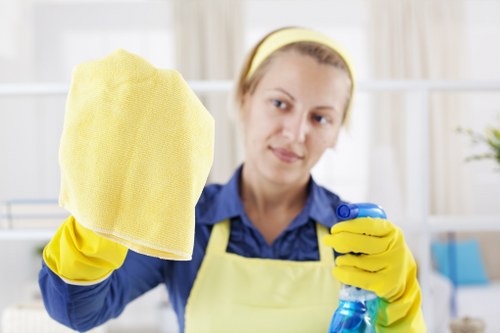
Effective office cleaning covers several zones, each with its own needs. Workstations, meeting rooms, kitchens, restrooms, corridors, and entrances all require different levels of attention. A one-size-fits-all approach usually misses the details that matter most.
Daily tasks often include emptying trash bins, wiping down desks, sanitizing frequently touched surfaces, and vacuuming or sweeping floors. Weekly or periodic tasks may involve deeper dusting, cleaning vents, polishing fixtures, and maintaining upholstery. These tasks work together to keep the office consistently clean.
Some businesses also need specialized office cleaning services for sensitive areas, such as server rooms, medical offices, or spaces with heavy foot traffic. In those cases, cleaning methods should be adapted to protect equipment, meet hygiene standards, and avoid disruption.
Key zones that need regular attention
- Reception areas: Front desks, chairs, glass panels, and high-touch surfaces
- Workstations: Desks, monitors, keyboards, phones, and chair arms
- Meeting rooms: Tables, presentation equipment, whiteboards, and seating
- Break rooms: Sinks, counters, microwaves, refrigerators, and tables
- Restrooms: Toilets, taps, mirrors, floors, dispensers, and waste bins
- Floors and hallways: Carpets, tiles, entry mats, and stairwells
Benefits of Professional Office Cleaning

Professional office cleaning offers more than a neat appearance. It helps businesses maintain a safer, healthier, and more efficient work environment. One of the biggest benefits is hygiene. Regular sanitizing reduces germs on shared surfaces and supports a cleaner atmosphere for staff and visitors.
Another major benefit is productivity. When offices are clean and orderly, employees spend less time dealing with mess and more time focusing on their work. Reduced clutter can make it easier to find documents, move around the office, and keep equipment in better condition. Over time, that creates a smoother workflow.
Professional office cleaning can also protect your brand. A well-maintained office reflects care, reliability, and discipline. These qualities matter to clients and partners, but they also matter to employees who want to work in a place that values their comfort and safety. Clean workplaces send a clear message: the business cares about quality.
Business advantages at a glance
- Improved hygiene and reduced spread of germs
- Better employee morale and workplace satisfaction
- Stronger first impressions for clients and guests
- Longer lifespan for carpets, furniture, and fixtures
- Fewer distractions caused by clutter and disorganization
What a Good Office Cleaning Routine Includes

A solid office cleaning routine is consistent, detailed, and practical. It should cover daily, weekly, and periodic tasks so that no area is neglected. Businesses that rely only on occasional cleaning often end up with buildup that takes more time and effort to remove later.
Daily office cleaning usually focuses on the areas people touch most. This includes disinfecting shared surfaces, keeping restrooms stocked and clean, removing waste, and keeping floors free of visible dirt. These tasks are essential in maintaining a neat and hygienic workplace throughout the week.
Weekly office cleaning may involve dusting blinds, wiping windows, cleaning kitchen appliances, and vacuuming under furniture. Monthly or quarterly cleaning can include carpet shampooing, deep sanitization, and more detailed maintenance work. The best routine depends on office size, traffic, and the nature of the business.
Typical office cleaning checklist
- Dust desks, shelves, ledges, and decorative surfaces
- Clean and sanitize door handles, switches, and shared devices
- Empty waste bins and replace liners
- Vacuum carpets and rugs
- Sweep and mop hard floors
- Disinfect restrooms and replenish supplies
- Clean kitchen counters, sinks, and appliances
- Polish glass and other visible surfaces
Office Cleaning and Employee Health

Health is one of the strongest reasons to prioritize office cleaning. Shared spaces can become breeding grounds for dust, allergens, bacteria, and viruses if they are not maintained properly. Regular cleaning helps reduce these risks and creates a safer work environment for everyone.
Employees with allergies or asthma often benefit from cleaner air and fewer dust particles in the office. Clean carpets, regularly wiped surfaces, and well-maintained ventilation systems can make a noticeable difference. This is why office cleaning should not be treated as a cosmetic service only; it is also a health-supporting practice.
In busy offices, high-touch surfaces such as lift buttons, phones, printer panels, and communal tables deserve special attention. These are the places where germs can spread quickly if cleaning is inconsistent. Routine sanitization is a simple way to reduce risk and support employee well-being.
Health-focused office cleaning tips
- Prioritize shared touchpoints throughout the day
- Use suitable cleaning products for different surfaces
- Keep restrooms and kitchens spotless
- Improve ventilation by keeping vents and filters clean
- Schedule deeper cleaning during low-traffic periods
How Office Cleaning Supports Productivity
Productivity and cleanliness are closely connected. A cluttered office can slow people down, create stress, and make it harder to stay organized. A clean workspace, by contrast, helps employees focus and move through tasks with fewer interruptions. Office cleaning supports this by creating an orderly environment where people can work efficiently.
It also reduces time wasted searching for supplies, documents, or shared tools. When common areas are kept tidy and systems are maintained, people can use their energy on meaningful work instead of navigating mess. That adds up across teams and departments.
Many managers notice that regular office cleaning also improves attendance and reduces complaints about unpleasant work conditions. Even small improvements, such as fresher air and cleaner desks, can make the workplace feel more professional and manageable. When the environment is clean, focus becomes easier.
Practical productivity benefits
- Less distraction from clutter and mess
- Fewer interruptions caused by misplaced items
- Improved focus in tidy work areas
- More positive employee attitudes
- Better use of shared office spaces
Different Types of Office Cleaning Services
Office cleaning is not limited to simple sweeping and dusting. Many businesses use a mix of services depending on their size and schedule. Understanding the different types helps companies choose the right support for their workplace.
Some offices benefit from daily cleaning, especially if they have high traffic or frequent client visits. Others may only need cleaning after hours or a few times a week. The right schedule depends on use, industry, and budget.
There are also specialized services that focus on specific tasks. Carpet care, window cleaning, floor polishing, pressure washing for external entrances, and deep sanitization are all common examples. These services can be added as needed to keep the office in excellent condition.
Common service options
- Daily office cleaning: Best for busy and high-traffic workplaces
- Scheduled cleaning: Weekly or several times per week
- Deep cleaning: Detailed cleaning of hard-to-reach areas
- Restroom sanitation: Focused hygiene for washrooms and facilities
- Carpet and floor care: Maintenance for surfaces that wear quickly
- Window and glass cleaning: Helps maintain a bright, professional look
How to Choose the Right Office Cleaning Approach
Choosing the right office cleaning approach starts with understanding your workspace. A small office with five employees will not need the same cleaning plan as a multi-floor corporate building. Consider foot traffic, the number of shared areas, the type of flooring, and how often clients visit.
It is also important to identify which areas need extra care. For example, offices with kitchens, childcare facilities, or customer-facing reception spaces may need more frequent cleaning. Likewise, businesses handling sensitive documents or equipment may need cleaning methods that are careful and low-disruption.
The best approach is one that balances cleanliness, consistency, and efficiency. A tailored office cleaning plan should fit your schedule and support your team without creating unnecessary interruptions. Consistency is often more valuable than occasional intensive cleaning.
Questions to ask before setting a cleaning routine
- How many people use the office each day?
- Which areas are shared most often?
- Are there special hygiene requirements?
- What cleaning tasks need to happen daily?
- What tasks can be handled weekly or monthly?
Office Cleaning Best Practices for Better Results
Even a well-planned cleaning routine can fall short if best practices are ignored. One important rule is to clean from top to bottom and from less dirty areas to more dirty areas. This helps prevent dust and debris from being moved onto already cleaned surfaces.
Another best practice is to use the right products for the right surfaces. Glass, wood, tile, metal, and fabric all require different care. Using the wrong cleaner can damage materials or leave residue behind. Good office cleaning relies on both technique and product selection.
It is also smart to prioritize high-touch areas throughout the day. Shared keyboards, light switches, and door handles should not wait for the weekly schedule if they are heavily used. Regular attention to these points helps maintain a healthier office overall.
Best practice reminders
- Use color-coded cloths or tools to avoid cross-contamination
- Ventilate spaces during and after cleaning when possible
- Refill supplies before they run out
- Inspect neglected corners, under desks, and behind furniture
- Adjust the cleaning plan as office needs change
Why Office Cleaning Helps Protect Company Assets
Office cleaning is also a practical investment in your property and equipment. Dust and grime can shorten the lifespan of carpets, chairs, electronics, and fixtures. Over time, dirt buildup can become more difficult and expensive to remove, especially on high-use surfaces.
Clean floors and furniture are easier to maintain, and regular care can help avoid premature wear. For example, vacuuming carpets consistently can reduce embedded particles that damage fibers. Similarly, keeping printers and workstations free from dust may help equipment perform better for longer.
When a business takes office cleaning seriously, it often spends less on repairs and replacements. This makes cleaning part of a broader asset protection strategy, not just a housekeeping task. Better maintenance today can mean fewer costs tomorrow.
Assets that benefit from regular cleaning
- Carpets and rugs
- Office chairs and upholstery
- Desks and cabinetry
- Glass partitions and windows
- Electronics and shared equipment
The Role of Office Cleaning in Client Experience
Clients often notice the details that employees no longer see. Smudged glass, dusty counters, or a messy reception area can affect how your business is perceived before a meeting even begins. Office cleaning helps ensure that every visitor sees a polished and organized workspace.
This matters in sales, consulting, legal, financial, and many other client-facing industries. A clean office can reinforce confidence and trust. It tells visitors that your business is organized, attentive, and reliable. That kind of impression can support stronger relationships and smoother interactions.
Even small details contribute to the client experience. Fresh-smelling rooms, clean bathrooms, and well-kept meeting spaces help create a positive atmosphere. In many cases, these details are noticed subconsciously, but they still influence how comfortable people feel in the office.
If you want your workplace to reflect professionalism, office cleaning should be part of the standard.
Making Office Cleaning Part of Daily Business Culture
While professional cleaning services are important, workplace culture also plays a role. Employees can help maintain a cleaner office by tidying their own desks, keeping shared areas neat, and respecting cleanliness standards. A strong office cleaning culture makes the entire system more effective.
Managers can support this by setting expectations and keeping supplies available. Simple habits like wiping spills quickly, returning items to their place, and cleaning up after meetings help preserve a tidy workspace. These habits do not replace cleaning services, but they do support them.
When everyone contributes, office cleaning becomes easier to maintain and more sustainable over time. That shared responsibility can reduce tension and improve the sense of order throughout the workplace. It also reinforces the idea that cleanliness is part of professionalism, not an optional extra.
Ways to build a cleaner office culture
- Encourage desk tidying at the end of each day
- Provide enough waste bins and sanitizing supplies
- Set clear expectations for shared spaces
- Keep cleaning schedules visible and consistent
- Recognize teams that maintain neat work areas
Final Thoughts on Office Cleaning
Office cleaning is one of the simplest and most effective ways to improve a workplace. It supports health, boosts productivity, protects assets, and strengthens the impression your business makes on clients and visitors. In fast-moving office environments, these benefits are too important to ignore.
From daily sanitizing to deep cleaning and specialized maintenance, the right office cleaning plan keeps your workspace ready for business. It creates a more pleasant environment for employees, makes visitors feel welcome, and helps your organization present itself at its best every day.
Whether you manage a small office or a larger commercial space, now is the time to treat cleanliness as a priority. Contact us today to improve your workplace standards, or Book your service now to keep your office looking professional and operating smoothly.