Insurance and Safety
 When it comes to dependable insurance and safety standards, preparation is essential. A strong approach protects people, property, and operations while helping every project run with confidence. Our commitment to public liability insurance, staff training, PPE, and a structured risk assessment process forms the foundation of a safer working environment. Whether the task is straightforward or complex, we believe that good planning and clear responsibility reduce uncertainty and improve outcomes.
Public liability insurance plays a vital role in any professional service. It provides financial protection in the event that third-party injury or property damage occurs during work activities. This cover is not just a formality; it reflects a serious commitment to accountability. By maintaining appropriate insurance, we help safeguard clients, visitors, and the wider public, while also supporting the stability of the work itself. In practice, strong insurance and safety measures work together to create reassurance at every stage of a project.
 Equally important is the way staff are prepared before work begins. Our staff training process is designed to build competence, awareness, and consistency. Team members are introduced to safe working practices, emergency procedures, site-specific requirements, and the correct use of equipment. Refresher sessions are provided where necessary so knowledge remains current. This ongoing learning culture supports safer decision-making and ensures that insurance and safety standards are applied in real situations, not only on paper.
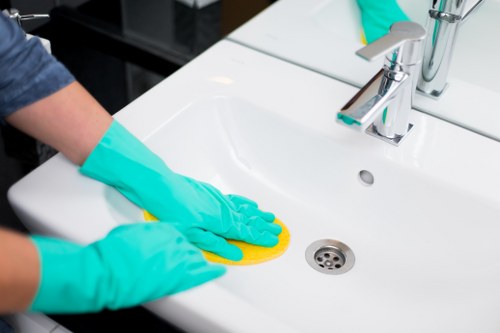
PPE is another essential part of our safety framework. Personal protective equipment is selected according to the task and the environment, ensuring that workers are properly protected from common hazards. This may include gloves, helmets, high-visibility clothing, eye protection, footwear, or respiratory equipment, depending on the nature of the activity. PPE is always used alongside other controls rather than as the only defence. That layered approach strengthens overall risk management and helps maintain a reliable safety-first culture.
 Our risk assessment process begins before work starts and continues throughout the job. Each site or task is reviewed to identify possible hazards, assess the level of risk, and determine the most effective control measures. These assessments consider the environment, tools, personnel, weather conditions, access routes, and any unusual factors that could affect safety. Once the risks are understood, practical steps are put in place to reduce them. This may include isolation of work areas, improved signage, supervision, or the use of additional PPE.
We view the insurance and safety process as an integrated system rather than separate parts. Insurance provides financial protection if something unexpected happens, while training, PPE, and assessment help prevent incidents from occurring in the first place. When these elements are combined, the result is a well-managed and responsible operation. A clear process also supports compliance with professional expectations and demonstrates that care has been taken to protect everyone involved in the work.
 Before any task begins, supervision and communication are checked carefully. Team members are briefed on the work plan, the identified hazards, and the control measures that must be followed. If conditions change, the plan is reviewed and updated so that safety remains the priority. This flexible approach is particularly important in dynamic environments where weather, access, or workflow may alter quickly. Strong communication helps ensure that insurance and safety responsibilities are understood by everyone on site.
Good record-keeping supports this process by documenting training, inspections, assessments, and incident responses. These records help track improvements over time and show that safety measures have been applied consistently. They also assist in identifying trends, which can inform better decisions in future projects. In this way, our approach to public liability insurance and operational safety is not static; it is continually refined to remain effective and practical.
 Ultimately, our goal is to deliver work with professionalism, care, and accountability. By combining comprehensive public liability insurance, regular staff training, appropriate PPE, and a thorough risk assessment process, we create a safer environment for everyone. This commitment supports quality outcomes and reflects a responsible attitude toward the people and places affected by our work. When safety is embedded into every stage, confidence follows naturally.